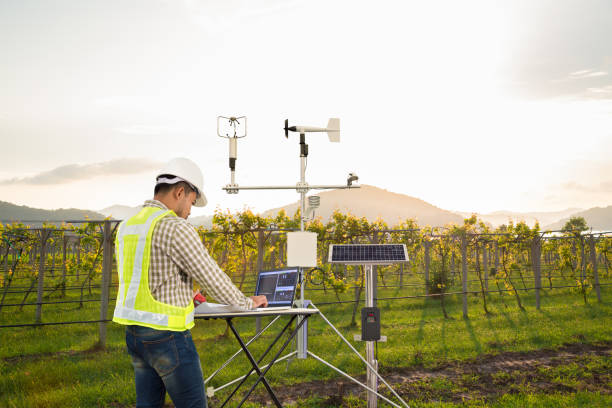
Climate technology refers to the development and application of innovative tools, systems, and scientific solutions aimed at addressing climate change challenges. It includes technologies designed to reduce greenhouse gas emissions, improve energy efficiency, support environmental sustainability, and help communities adapt to changing climate conditions. As global concerns about environmental degradation and extreme weather continue to rise, research in climate technology has become increasingly important across scientific, engineering, policy, and business sectors.
This article provides a well-structured and detailed list of research topics related to climate technology to help students, researchers, and professionals identify meaningful areas for academic and practical investigation.
Understanding Climate Technology
Climate technology covers a broad range of innovations, including renewable energy systems, carbon capture methods, sustainable agriculture technologies, climate monitoring tools, green transportation solutions, and smart infrastructure. These technologies aim to reduce environmental impact while supporting economic growth and sustainable development.
Research in this field often combines engineering, environmental science, information technology, economics, and public policy to create practical solutions for climate mitigation and adaptation.
Research Topics Related to Climate Technology
The following research topics are classified into major areas within climate technology for easier selection and understanding.
Renewable Energy Technologies
- Advances in solar energy conversion efficiency
- Wind energy optimization and turbine design improvements
- Bioenergy production from agricultural waste
- Hydropower sustainability and environmental impact
- Integration of renewable energy into national power grids
- Energy storage solutions for renewable energy systems
Carbon Capture, Utilization, and Storage (CCUS)
- Carbon capture technologies for industrial emissions
- Geological storage methods for captured carbon dioxide
- Carbon utilization in industrial manufacturing
- Direct air capture technologies and efficiency challenges
- Economic feasibility of carbon capture systems
- Policy frameworks for carbon capture implementation
Climate-Smart Agriculture Technologies
- Precision agriculture technologies for climate resilience
- Smart irrigation systems for water conservation
- Drought-resistant crop development technologies
- Digital tools for climate-informed farming decisions
- Agricultural greenhouse gas emission reduction technologies
- Soil monitoring technologies for sustainable farming
Sustainable Transportation and Mobility
- Electric vehicle technologies and infrastructure development
- Hydrogen fuel cell transportation systems
- Smart transportation systems for emission reduction
- Alternative fuels for transportation sustainability
- Urban mobility solutions for climate mitigation
- Public transportation technologies and environmental impact
Smart Cities and Climate-Resilient Infrastructure
- Climate-resilient urban planning technologies
- Smart building technologies for energy efficiency
- Green construction materials and technologies
- Climate monitoring systems for urban environments
- Disaster-resilient infrastructure design technologies
- Internet of Things (IoT) applications in climate management
Environmental Monitoring and Climate Data Technologies
- Satellite technologies for climate monitoring
- Artificial intelligence in climate prediction models
- Remote sensing technologies for environmental assessment
- Climate data analytics and decision support systems
- Early warning systems for climate-related disasters
- Sensor technologies for environmental monitoring
Green Industrial Technologies
- Low-carbon industrial manufacturing technologies
- Energy efficiency improvements in industrial processes
- Waste-to-energy conversion technologies
- Sustainable chemical production methods
- Industrial emission monitoring technologies
- Circular economy technologies in manufacturing
Climate Adaptation Technologies
- Flood control and water management technologies
- Coastal protection technologies against sea-level rise
- Heat-resilient building technologies
- Climate adaptation tools for vulnerable communities
- Technological solutions for water scarcity
- Early warning systems for extreme weather events
Importance of Climate Technology Research
Research in climate technology is essential for addressing global environmental challenges and promoting sustainable development. It supports the reduction of greenhouse gas emissions, improves resource efficiency, enhances resilience to climate impacts, and fosters innovation in energy and industrial sectors. Climate technology research also contributes to policy development, economic growth, and environmental protection.
Conclusion
Climate technology represents a critical pathway toward a sustainable and resilient future. The research topics presented in this article cover renewable energy, carbon management, agriculture, transportation, infrastructure, environmental monitoring, and adaptation technologies. Choosing a focused research topic in climate technology allows researchers to contribute meaningful solutions that address climate challenges while supporting economic and environmental sustainability.
FAQs
1. What is climate technology?
Climate technology refers to tools and innovations designed to reduce environmental impact, mitigate climate change, and support adaptation to changing climate conditions.
2. Why is research in climate technology important?
It helps develop sustainable solutions for energy production, transportation, agriculture, and industrial processes while reducing greenhouse gas emissions.
3. What fields are involved in climate technology research?
Climate technology research involves environmental science, engineering, information technology, economics, policy studies, and sustainability science.
4. Who can study climate technology research topics?
Students and researchers in engineering, environmental science, agriculture, energy studies, urban planning, and technology fields can explore climate technology topics.
5. How do I choose a good research topic in climate technology?
Choose a topic that aligns with global environmental challenges, available resources, technological innovations, and your academic or professional interests.